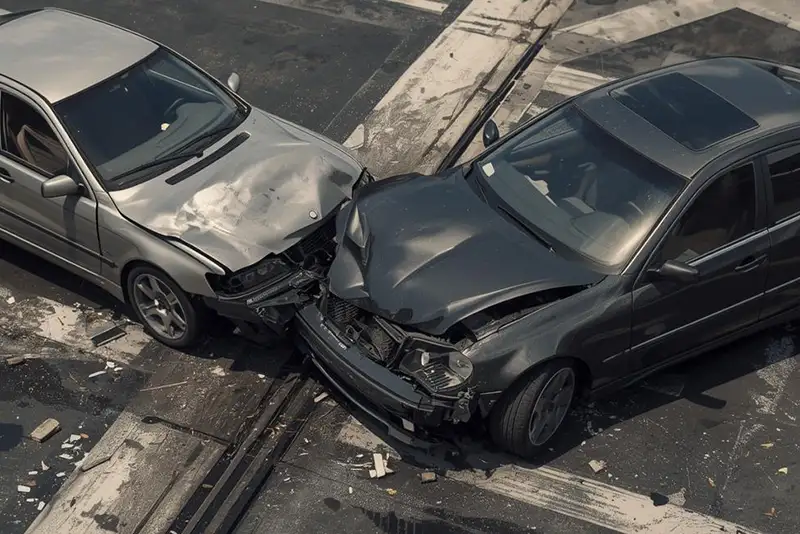
A t-bone accident happens when one car hits the side of another, making a T shape.
T-bone accidents are unexpected. One second, you’re driving home thinking about what you’re going to have for dinner, then another car slams into you. Your vehicle shakes. Glass shatters. Your heart races.
According to the Insurance Institute for Highway Safety (IIHS), there were 5,866 deaths from T-bone crashes in 2016.
The first few minutes after a t-bone car accident matter most. What you do now affects your health, your case, and what happens next.
Here’s exactly what you should do right after a t-bone motor vehicle accident.
1. Check for Injuries
Your safety comes first. Make sure you and everyone in your car are okay.
Stop and check yourself. Are you hurt? Look for pain or numbness in your arms, legs, and neck. Some injuries don’t show up right away. Adrenaline can hide the pain. You might feel fine now, but symptoms can show up later.
Check your passengers. Ask if anyone is hurt. Listen to what they say and watch for signs of pain or stress.
Look at the other driver. If they’re hurt and you can help safely, call 911. Don’t move anyone who’s badly injured. Moving them can make things worse.
If someone is seriously hurt, call 911 right away. Tell the dispatcher what happened, describe the injuries, and give your location. Stay on the line until help arrives.
2. Move to Safety
If your car is blocking traffic and it’s safe to do so, turn off the engine and pull over to the side of the road. Don’t stay in the middle where another accident t-boned vehicle could hit you again.
If your car won’t start or you can’t move it safely, stay inside with your seatbelt on. Turn on your hazard lights and wait for help.
If you’re already in a safe spot, you can get out. Just stay clear of traffic. Move to the sidewalk or another safe place away from the road.
Malibu’s winding roads can make things even riskier. Cars on the Pacific Coast Highway move fast. The streets are narrow. If your crash happens on a busy stretch, focus on getting yourself and your passengers away from traffic.
3. Call the Police
Call 911 to report the accident. Give your location and explain what happened. Let them know if anyone is hurt.
Police will come to the scene. They’ll check things out and file a report. This report is important. Insurance companies and attorneys at Malibu Injury Lawyer use it to understand what happened.
When the police arrive, answer their questions. Say what you saw and how the accident happened. Don’t point fingers or blame anyone. Just stick to the facts. Don’t admit fault.
Ask for the police report number. Find out when and how you can get the full report. Some departments post reports online. Others might ask you to come to the station.
4. Get Information from the Other Driver
You’ll need the other driver’s details. Ask for their name, phone number, and address. Get their driver’s license number. Write it down or snap a photo of their license.
Ask for their insurance company and policy number. Take pictures of their license and proof of insurance. Keep these photos somewhere safe.
If the other driver won’t share their information, don’t argue. Just make a note of it and let the police know. The officer can get this info for the report.
If the other driver is willing to cooperate, stay polite but keep it professional. Don’t talk about who’s at fault. Please avoid saying things like “I’m sorry” or “It’s my fault.” Those words can be used against you later.
5. Gather Witness Information
Witnesses are important for your claim. Their stories help show what really happened. Get contact info from anyone who saw the crash. Witnesses might leave or change their numbers. It’s important to get their info right away.
Ask for their name, phone number, and address. Jot down what they saw. Did they see the other driver run a red light? Did they see you go through on green? Write down those details.
6. Document the Scene
Photos are key evidence. Take pictures of the damage to all vehicles. Get shots of the accident scene. Include traffic lights, stop signs, street names, and road conditions.
Photograph the other car’s damage too. Get close-ups of where the vehicles hit. Take a picture of the other car’s license plate.
If there are skid marks, take photos. Get pictures of any debris on the road. Show what the weather and road look like. Things like cloudy skies, wet roads, or glare could have played a part.
Don’t move your car just to take photos unless the police ask you to. Capture the vehicles as they are. Photos of where the cars stopped help show how the crash happened.
If you have visible injuries, take pictures. Bruises from your seatbelt, cuts from broken glass, or road rash should all be documented. These photos can help support your medical claims later.
7. Seek Medical Attention
Even if you feel okay, see a doctor. T-bone accidents hit hard. Your body takes the impact, and some injuries show up later.
Head to urgent care or the ER. Tell the doctor about the accident. Mention every symptom, even small ones. Headaches, a stiff neck, back pain, or any soreness should all be reported.
Keep copies of your medical records. Hospitals and clinics will note what you told them and what they found. These records set a timeline for your injuries.
Don’t wait for pain to show up. Getting checked out early protects your health and your claim. If symptoms come up later, your records prove you got care right away.
8. Don’t Post on Social Media
Don’t talk about the accident online. Don’t share photos or talk about what happened. Insurance companies watch social media, and anything you say can hurt your claim.
Don’t talk about your injuries online either. Skip posting about doctor visits. Don’t say you’re okay or feeling fine. Every statement gets scrutinized later.
Ask friends and family not to post about your accident. If you’ve already made a post, delete it.
9. Consult an Attorney
T-bone accidents often cause serious injuries. Getting hit from the side gives you less protection than a front or rear crash. People in the car that’s hit are at higher risk.
A peer-reviewed study found that people sitting on the side of the car that gets hit are 2.5 times more likely to be seriously or fatally injured in a side-impact crash than those sitting on the other side.
Talk to a lawyer who knows t-bone car accident cases. They understand these crashes and the injuries that come with them. They know how to create a strong case to protect your claim.
Malibu Injury Lawyer handles automobile accident cases. Reach out to us so we can explain your options and answer your questions. We’ll advise you on whether you have a claim and what to expect.
10. Contact Your Insurance Company
Let your insurance company know about the accident. Share the basics of what happened. Give them the other driver’s details and the police report number.
Answer their questions honestly. Stick to the facts. Don’t guess about fault or accept blame. Your insurance company will talk to the other driver’s insurer for you.
Keep track of every conversation with your insurance company. Write down dates and times. Note what you discussed. Save all emails and messages.
What You’ve Accomplished
You checked for injuries and called for help. You gathered information and took photos. You saw a doctor and talked to the police. You protected yourself by reaching out to an attorney.
These steps protect your claim.
Recovery from a t-bone motor vehicle accident takes time. Your body needs to heal. Your mind needs time to process everything. With the right support, you can focus on getting better while the experts handle the legal side.
Get Answers About Your T-Bone Accident
If you were hurt in a T-bone crash, you probably have questions about your rights, your medical bills, and what to do next. You don’t have to figure it out alone.
A t-bone car accident lawyer can look at what happened, explain your options, and help you see if you can file a claim under California law. This first conversation is just for information so that you can make informed decisions.
Malibu Injury Lawyer handles t-bone accident cases. Contact us to schedule a free consultation. We’ll walk you through the process, explain the timeline, and talk about your next steps based on your situation.
Frequently Asked Questions
Q: What should I do if the other driver is aggressive?
Stay calm and don’t argue. If you feel unsafe, stay in your car. Wait for the police to arrive and let them know what happened. If you feel threatened, don’t try to exchange information yourself.
Q: Do I need a police report to file a claim?
A police report helps your case, but it’s not required. If the police don’t come to the scene, you can still file a claim with your insurance or take legal action.
Q: What if the other driver doesn’t have insurance?
Your own insurance might have uninsured motorist coverage. A lawyer can look at your policy and explain your options.
Q: Can I accept money from the other driver to settle?
Don’t take cash or make side deals. These can mess up your real claim. Always go through your insurance company or talk to a lawyer.
Q: What if I share some fault for the accident?
In California, you can still file a claim even if you were partly at fault. Your compensation is reduced based on your percentage of fault. A lawyer can explain how this affects your case.
Q: How long do I have to file a claim?
There are time limits for filing claims in California, and they can vary. You usually have two years from the date of the accident to file a claim. Talk to a lawyer right away to make sure you don’t miss any deadlines.
Q: What expenses can I recover?
You might be able to get money for medical bills, car repairs, lost wages, and other costs from the accident. A lawyer can help you figure out what you can claim.